Antenne AXEL
Le Balado du Centre AXEL - CRIUSMM
La Table de Constellation AXEL – un espace de réflexion collaborative réunissant des personnes expertes issues des quatre grands écosystèmes du Centre AXEL : les personnes chercheuses, intervenantes, entrepreneuses et concernées – a donné naissance à l’Antenne AXEL et à ses deux séries de balados :
- Le Réflexe Humain
- LiDi-Mentale
Animation :
Johana Monthuy-Blanc


The Human Reflex
Based on the AXEL Constellation Table, “The Human Reflex” is an eight-episode podcast series, both visual and audio, that explores the human element at the heart of the digital transformation in mental health. Through the voices of experts from the four main ecosystems of the AXEL center—researchers, practitioners, entrepreneurs, and those directly affected—the series aims to:
- clarify the emotional, cognitive, and organizational challenges associated with digital technology;
- analyze the effects of innovations on team practices and the user experience;
- offer a human-centered perspective on the challenges of implementation within the healthcare system.
1. Wonder, responsible innovation
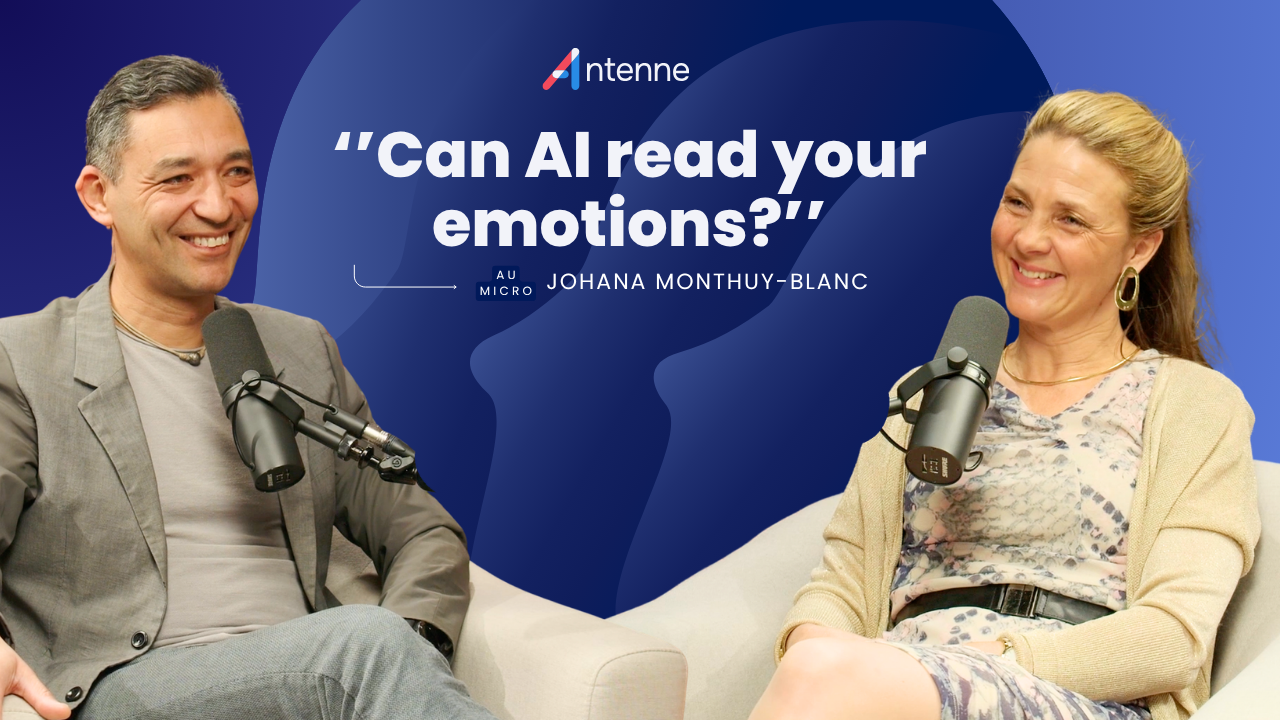
In this first episode of the Réflexe Humain podcast, we welcome Pierrich Plusquellec, a professor at the University of Montreal and an expert in the observation of human behavior.
Together, we explore how artificial intelligence is already transforming mental health, research, and human intervention.
From emotion recognition to the early detection of depression and autism, this fascinating discussion addresses both the extraordinary possibilities of AI and the ethical issues surrounding its use.
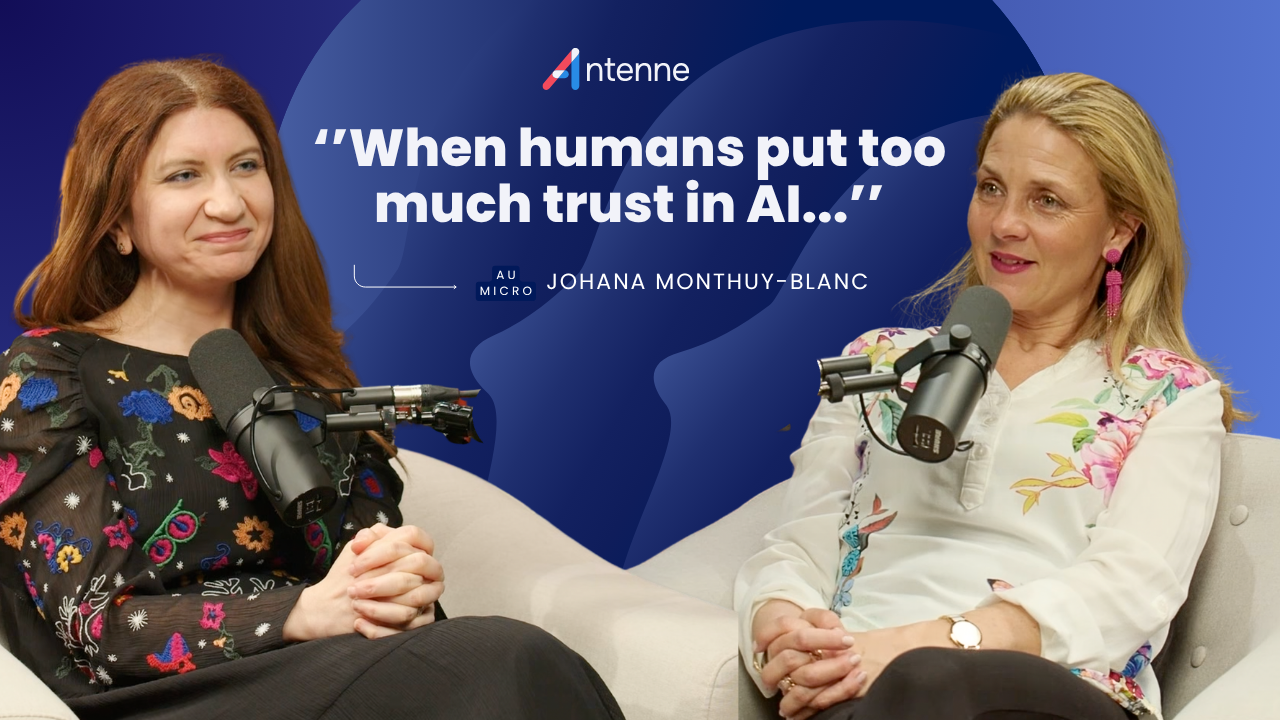
In this episode of the Réflexe Humain podcast, Johana welcomes Hazar, a professor and researcher specializing in bioethics, genomics, and artificial intelligence in healthcare. Together, they explore the major ethical issues surrounding AI in digital mental health: informed consent, automation bias, social justice, data privacy, clinical responsibility, and responsible innovation.
An essential conversation for researchers, healthcare professionals, students, policymakers, and citizens who want to understand the human impacts of artificial intelligence.
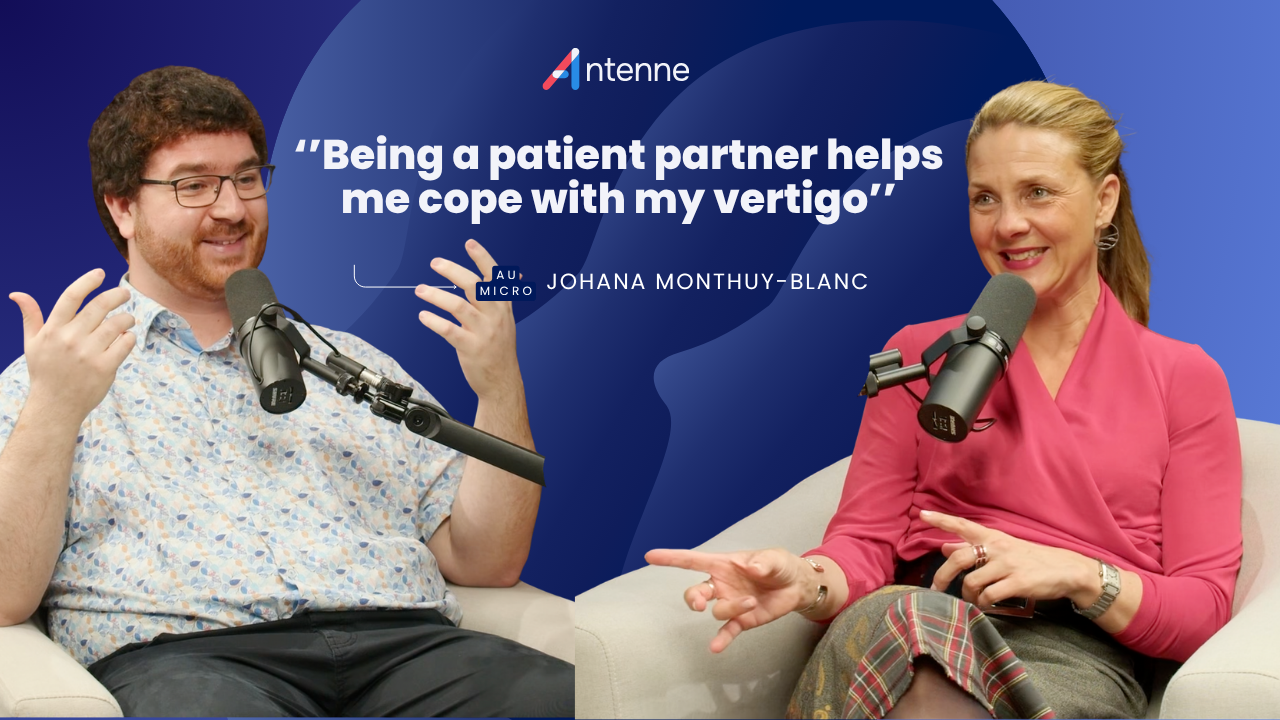
Vincent Montpetit, a patient partner and doctoral student in psychology, shares his unfiltered views on digital mental health—not as a researcher or clinician, but as someone directly affected by the issue. He discusses data overload, informed consent, and what it’s really like to be a “patient partner” in a digital project. Because when something is free, someone always ends up paying.
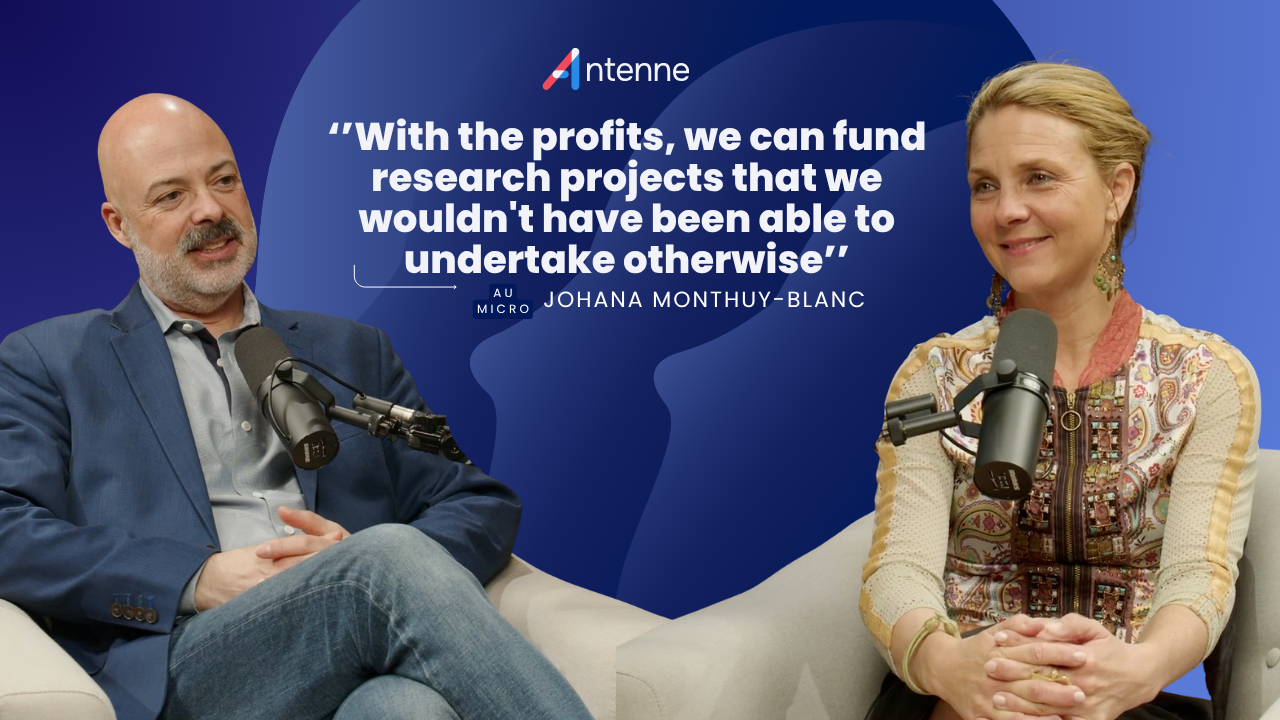
Stéphane Bouchard, a psychologist, researcher, and president of In Virtuo, was ahead of his time: as early as 1995, he was conducting psychotherapy via videoconference. Today, he offers a clear-eyed—and sometimes concerned—perspective on AI in mental health.
In this episode, we discuss virtual reality, the tech bubble, agentic AI that makes decisions for you, and above all: how to keep people at the center when technology is moving faster than ethics.
2. Human core
What if technology could finally personalize mental health care?
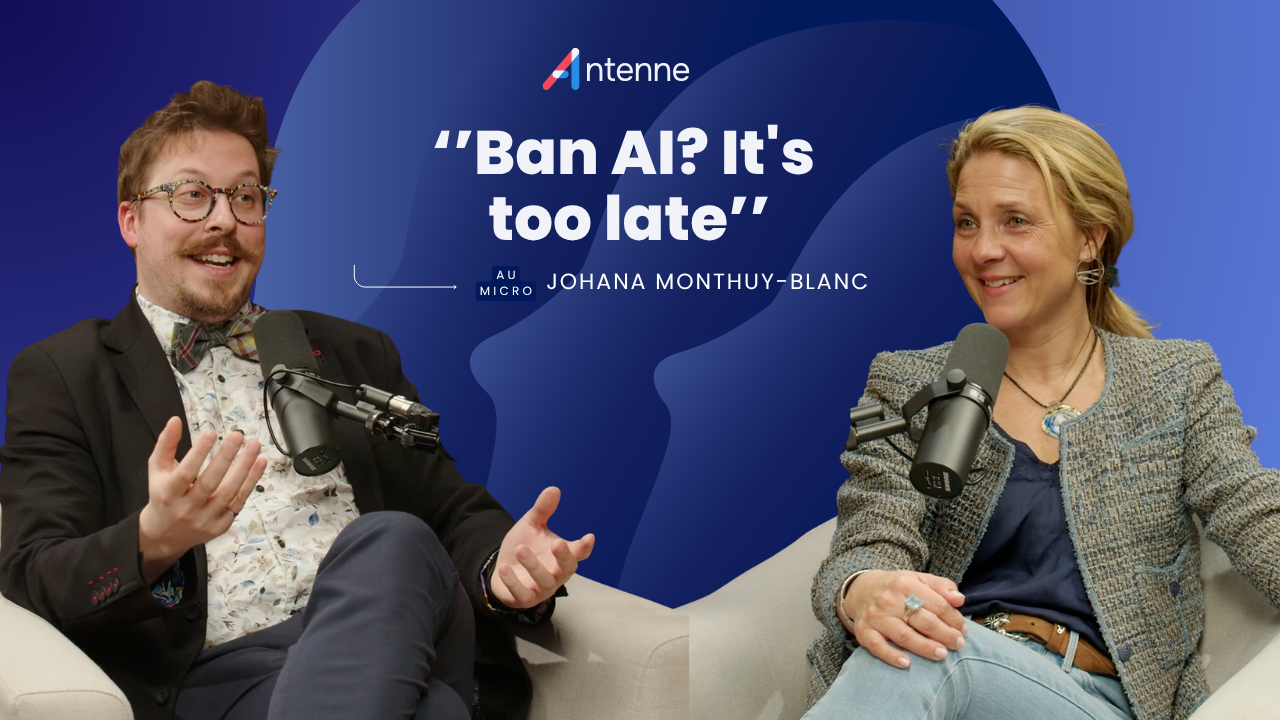
Alexandre Hudon is a psychiatrist, clinical researcher… and former software engineer. This rare background gives him a unique perspective on digital mental health. In this episode, he talks to us about the digital therapeutic alliance, digital literacy, and a future where data could radically transform how we provide care.
Because no—banning AI is no longer an option. Your patients are already using it.
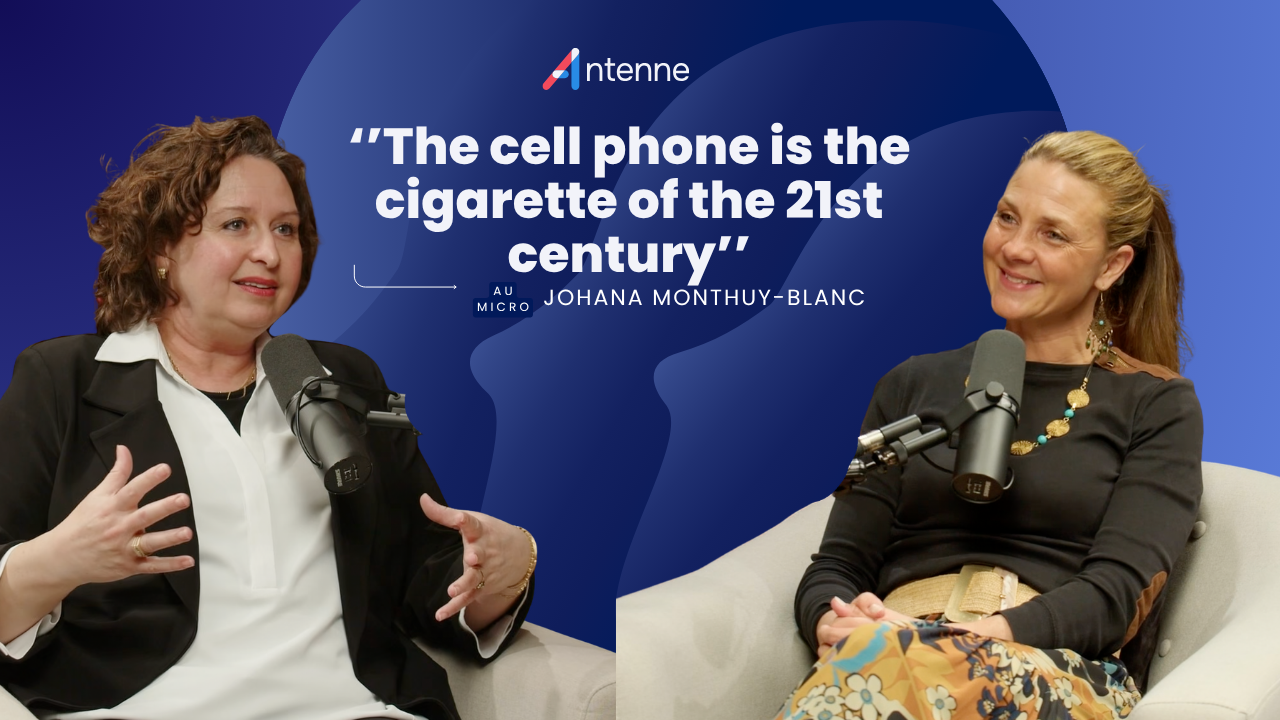
Jessica Ménard, a psychologist and president of Équipes Caissie-Ménard inc., delves into a topic that few entrepreneurs dare to address openly: digital mental health in the workplace. Between Bill 27, information overload, and the culture of digital urgency, she asks the tough questions—and offers practical solutions.
Because no, just because everyone is using AI doesn’t mean you have to rush in headlong.
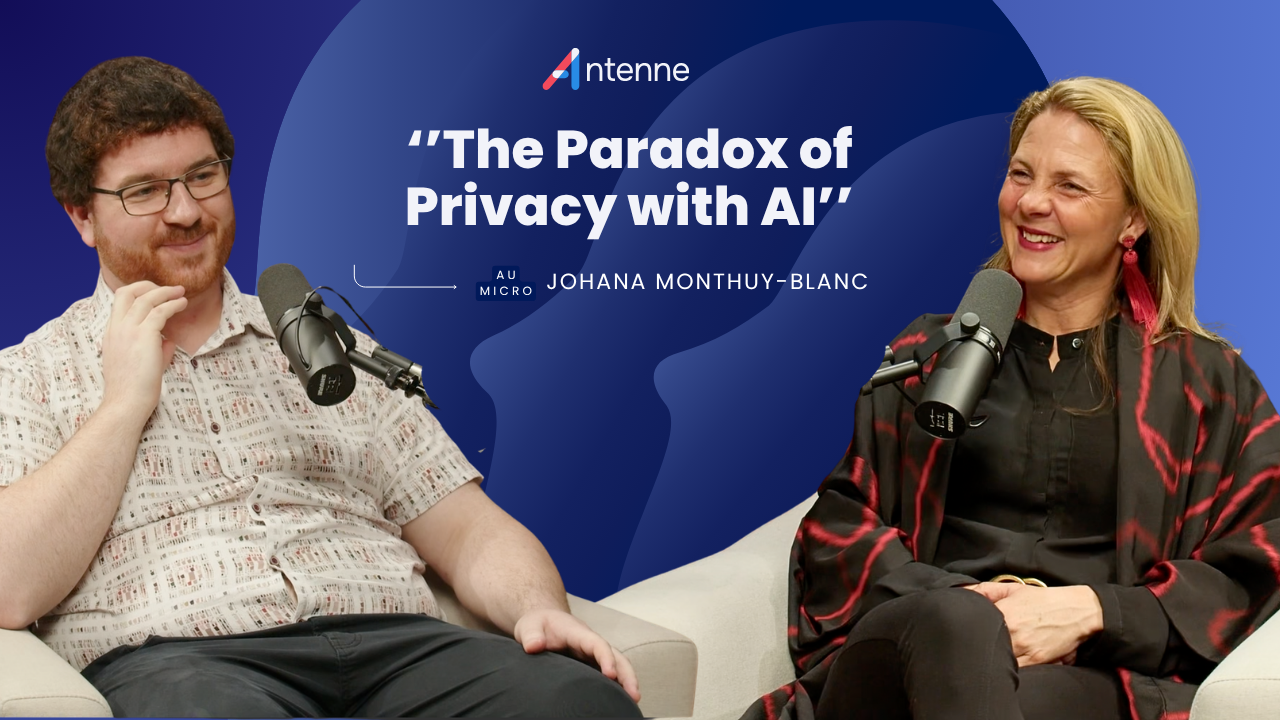
In this episode of Réflexe Humain, Johana welcomes Vincent Montpetit for an in-depth discussion on digital health, the therapeutic alliance, and the limitations of artificial intelligence in psychological intervention.
Vincent shares his experience as a patient partner and explores a striking concept: the paradox of intimacy with AI. Why do some people find it easier to confide in a machine? What is still missing in this interaction? And above all, what do we lose when the human element disappears from the helping relationship?
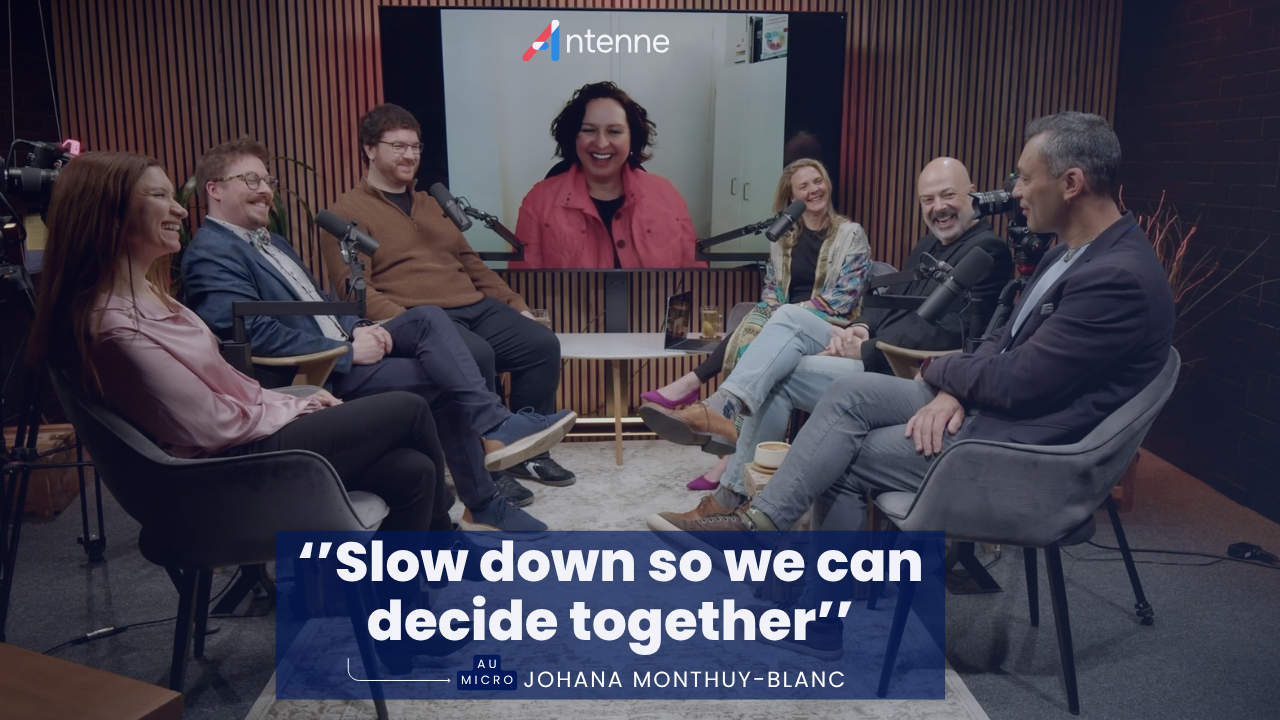
To wrap up the series, all the guests of *Le Réflexe Humain*—Stéphane Bouchard, Pierrick Plusquellec, Hazar Haidar, Jessica Ménard, Alexandre Hudon, and Vincent Montpetit—come together for a candid conversation about what this journey has taught them. Each brings their own background, perspective, and point of view.
And yet, the same message emerges: keep people at the center, slow down to make decisions together, and don’t let technology make us forget what it means to be human.
No theory. Just real people, real reflections, and a beautiful lesson in collective humility.

LiDi-Mentale
LiDi-Mentale: Digital Literacy in Mental Health is a podcast series featuring content adapted from and updated from the Digi-Guide, aimed at an informed audience such as researchers, professionals, entrepreneurs, and other interested individuals.
1. Mini série A - Idéation

Dans ce premier épisode du balado LiDi-Mentale, nous recevons Gabrielle Fortin, doctorante en psychologie et professionnelle de recherche au Centre AXEL. Ensemble, nous explorons la première étape de tout projet numérique en santé mentale : l’idéation. Nous abordons le passage de l’idée au projet, la faisabilité en temps et en budget, la consultation des parties prenantes, le nettoyage des données ainsi que l’importance de la simplicité. Une conversation essentielle pour éviter de se précipiter et pour se poser les bonnes questions.
Conclusion
Pour conclure...
En construction.